Sunday 8 March is International Women’s Day – and we have three female-fronted shows this weekend. So we asked each act three questions about what being a woman in music means to them.
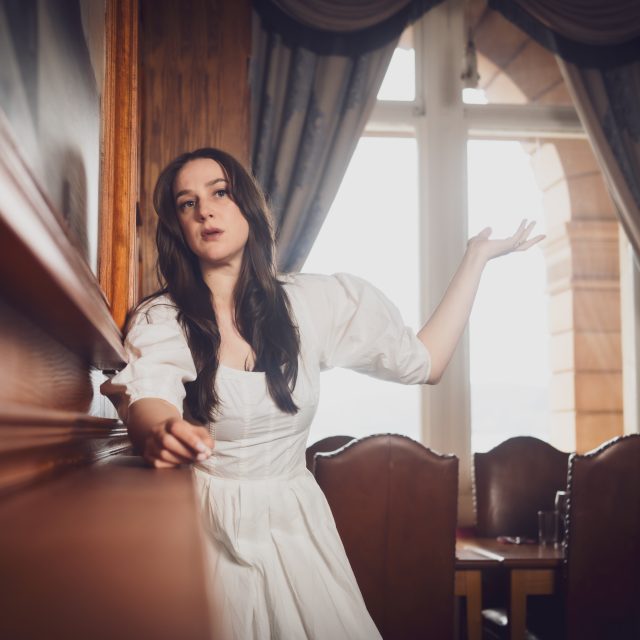
Josienne Clarke Sings Sandy Denny: Friday 6 March
Josienne Clarke is a British singer-songwriter who brings the music of iconic singer Sandy Denny to life
Q1: What inspired you to honour Sandy Denny? What can her life experience teach us?
There is no other artist who has had as much influence on my creative output. Since I first heard Sandy’s music, I found its nostalgic melancholy so relatable, even as a teenager. She’s one of the greatest songwriters this country has ever produced. Her writing is wise and timeless and ranks alongside Cohen and Dylan in my estimations. Women can be and are songwriting geniuses too, even if the industry is reticent to give them their due.
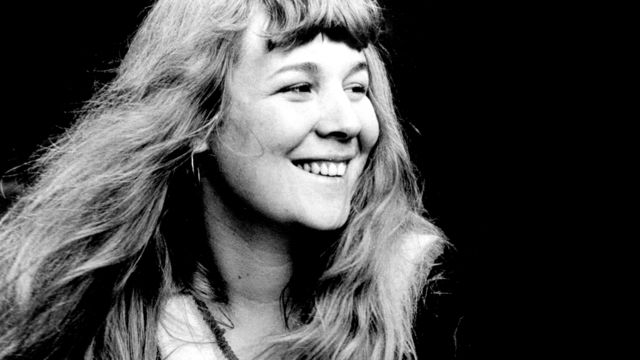
Sandy Denny
Q2. How do you think storytelling through song can create space for women’s voices and lived experiences?
Women’s writing has often been considered a niche genre when it comes to art. I think that writing about, and performing songs of female experience is in itself an act of resistance. The more of us who write and sing about our lives the more normalised it becomes and we can in turn carry less unrealistic expectation, fear and shame.
Q3. Which other women in music have shaped the way you navigate your creative life or sense of artistic independence?
PJ Harvey, Sharon Van Etten, Marisa Nadler and of course Taylor Swift. Their existence and creative output serves to prove that women can make great work and continuing making it on their own terms throughout their lives just as men have for centuries.
Book Josienne Clarke Sings Sandy Denny, Fri 6 Mar, 7.30pm here
Josienne Clarke
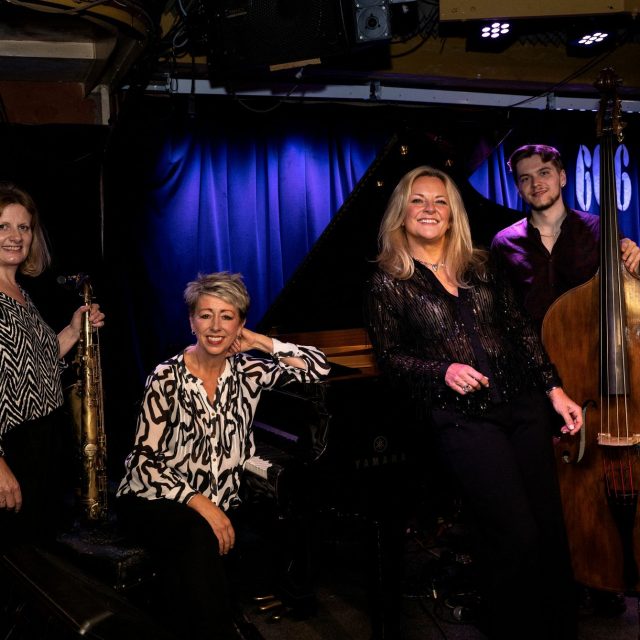
Claire Martin OBE & Nikki Iles from IG4: Saturday 7th March
Both leading and well-respected jazz musicians, Claire (vocalist) and Nikki (composer & pianist) are currently appearing in this brand new project
Q1. Jazz has such a rich history shaped by remarkable women, often without the recognition they deserved. How have female musical pioneers influenced your own musical journeys?
Claire: I am inspired and influenced by many female musicians in the music industry, not just in the jazz world. Sadly, so many have not had the recognition they deserve but have kept going. There are so many great women to draw inspiration from. For instance Joni Mitchell, who is a big heroine of mine, for her integrity, perseverance and the confidence to call it out during the course of her long career. Ella Fitzgerald, for her determination to keep Chick Webb’s big band going and being the first female big band leader and Shirley Horn, who is again one of my absolute favourites who steered her career her way and had a wonderful late bloom which was acclaimed worldwide.
Nikki: There were so few women when I was coming up in the 1980s – on albums, documented in the history books and women playing live and even less as leaders. But there were a few very significant women that really made me believe it is possible. First and foremost , I met Norma Winstone when I was 18, and she was and always has been totally herself; uncompromising, honest, daring and respected by all. That hit home as a way to be and navigate the music scene. Also for similar reasons, Carla Bley, Geri Allen, Joanne Bracken, Joni Mitchel and Shirley Horn had a big impact on me.
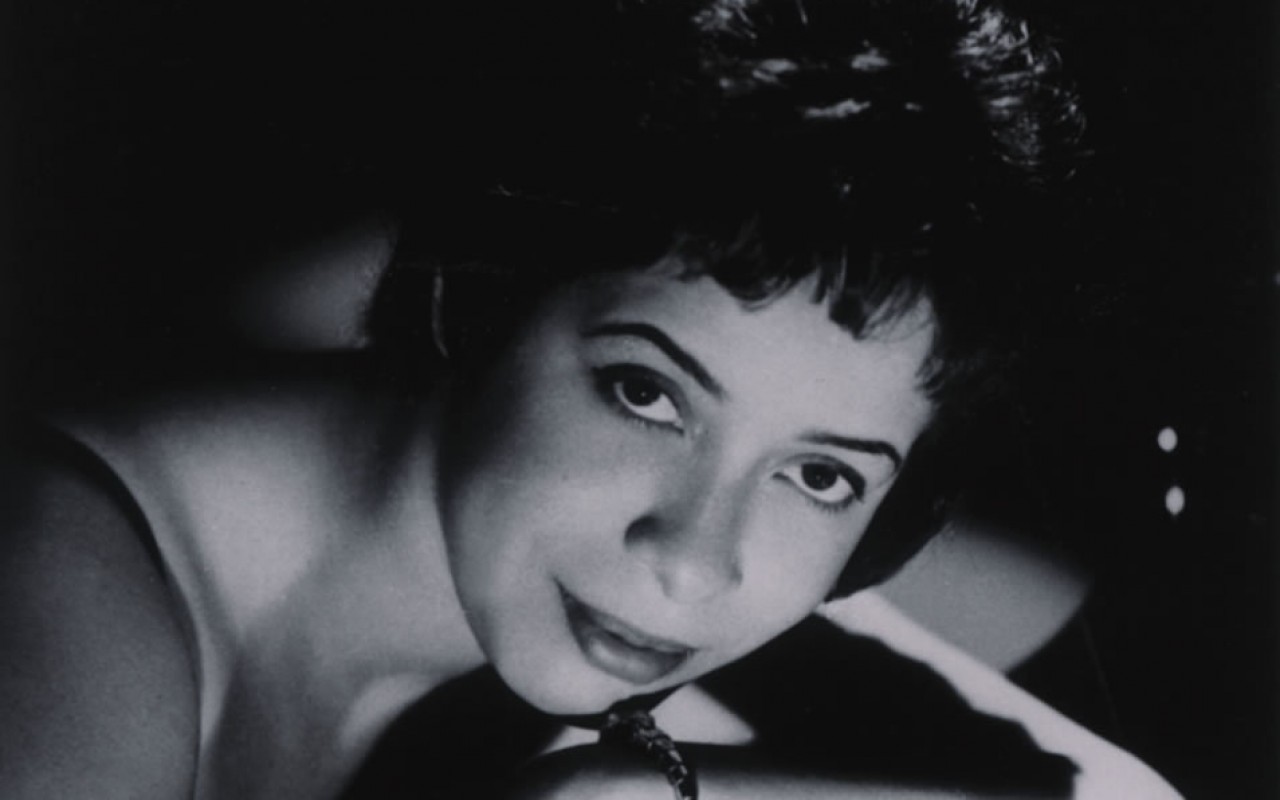
Shirley Horn
Q2. Over the course of your career, how have you seen opportunities for women in jazz evolve — both on stage and behind the scenes?
Claire: I have seen and sung with big bands that have gradually added female instrumentalists over the last few years, and it’s a breath of fresh air, as for many years I sang in big bands with only men. Opportunities at the academys for music are attracting more women and overall I feel positive that it’s becoming a more even playing field. I have worked behind the scenes as a curator of jazz festivals and see this as a very positive thing as I can book female headliners and be mindful of gender equality at every turn. It’s changing – slowly, but it’s changing.
Nikki: There is still a way to go, but things are so much better than in my youth. The optimum word is ‘opportunity ‘ here. Nobody gave me an opportunity to conduct or write more for big band ..so when the NDR chief conductor job was offered, I wasn’t sure if I should take it, as I hadn’t had the experience most men had had…I’m glad I took it ! There are more jazz photographers that are women, and women headlining in festivals. But sadly in 2026 I am still the first women at the NDR in Hamburg ( like the BBC) that is the chief of any ensemble…classical or jazz !
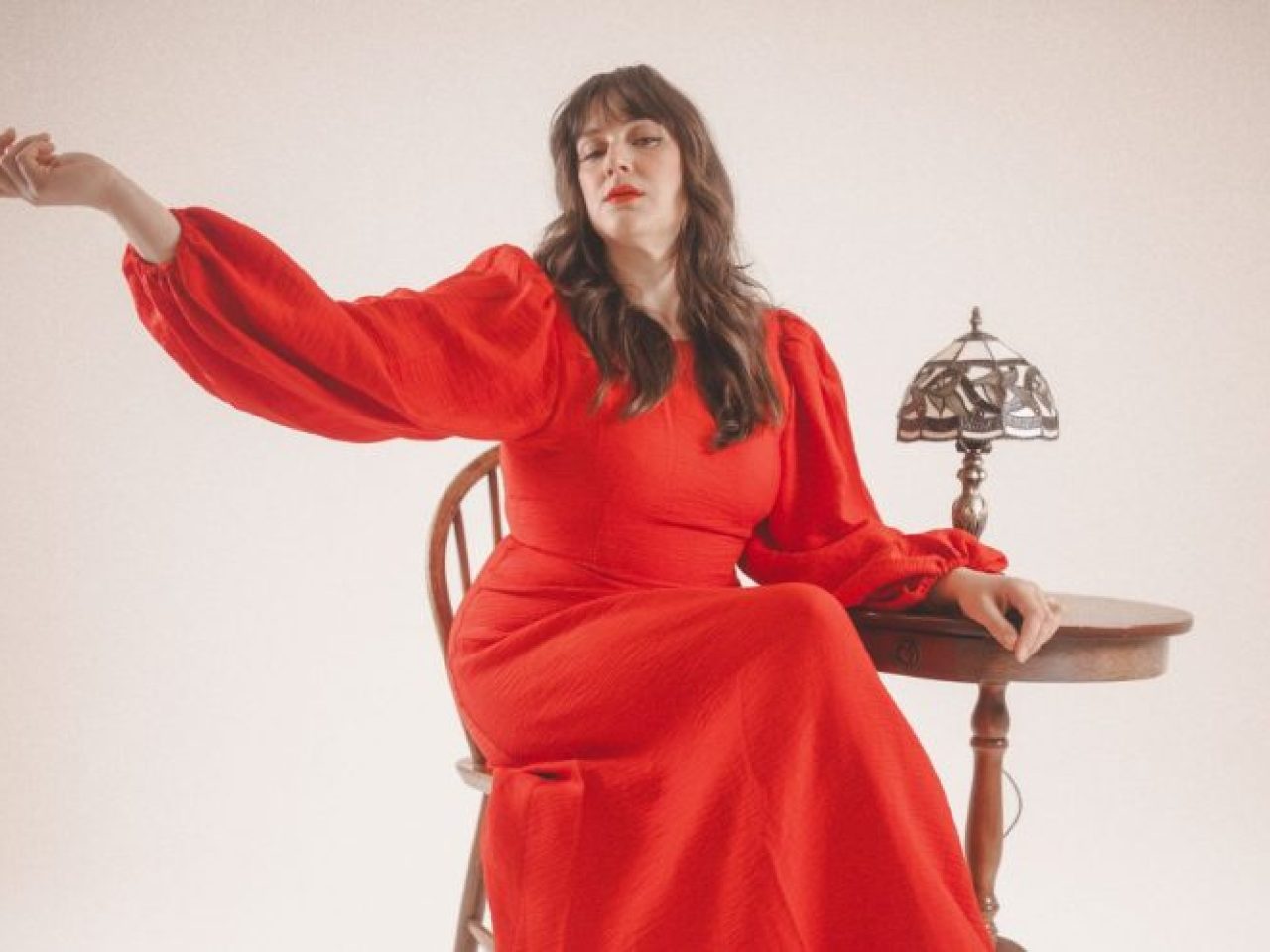
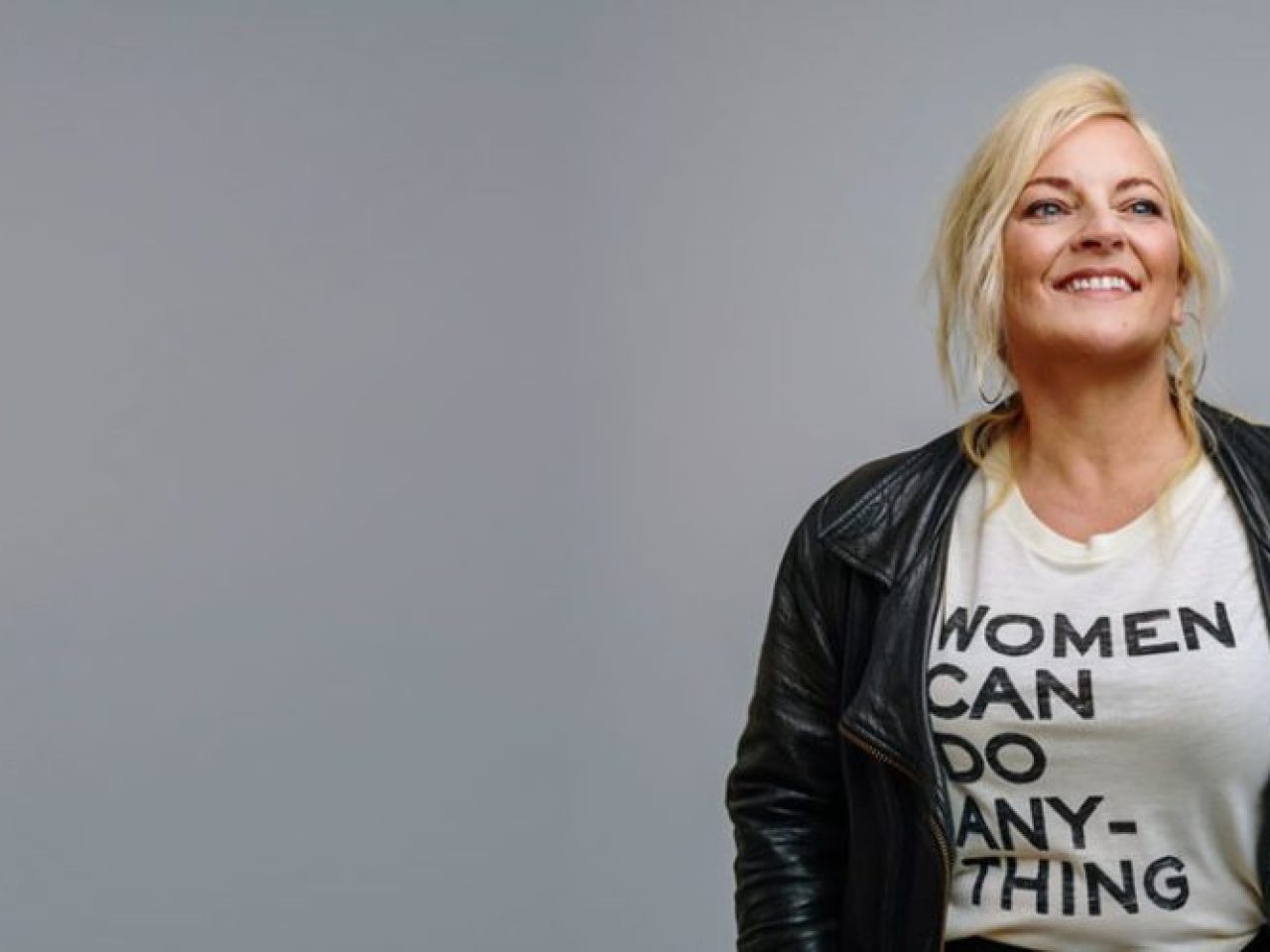
Claire Martin OBE
Q3. What does it mean to you, at this stage in your careers, to continue creating and performing as part of a lineage of strong female voices in music?
Claire: I think it means the same as it always has done, I try to become a better musician with every gig I do and surround myself with the best players possible. It’s an honour and a privilege to be a musician and definately a marathon and not a sprint for me. I’m very proud to share the stage with Nikki Iles and Karen Sharp as we have all come up at the same time on the jazz scene so we can share our experiences together and that’s very rewarding for me. It’s also a great message to younger female musicians as I am a great believer in you have to ‘see it to be it’ school of thought and I hope we can inspire the younger generation of players.
Nikki: I have never felt like a “ women in jazz.” I’ve always been one of the “ musicians.” This has been important for me to not have a negative outlook or feel like a victim. I want to work hard to be the best version of myself, however I know as an older women who’s still trying to grow and who is still very active in the music business that I’m very happy to be an example to young women ( and young men ) and that it’s possible to have a good and fulfilling career in music.
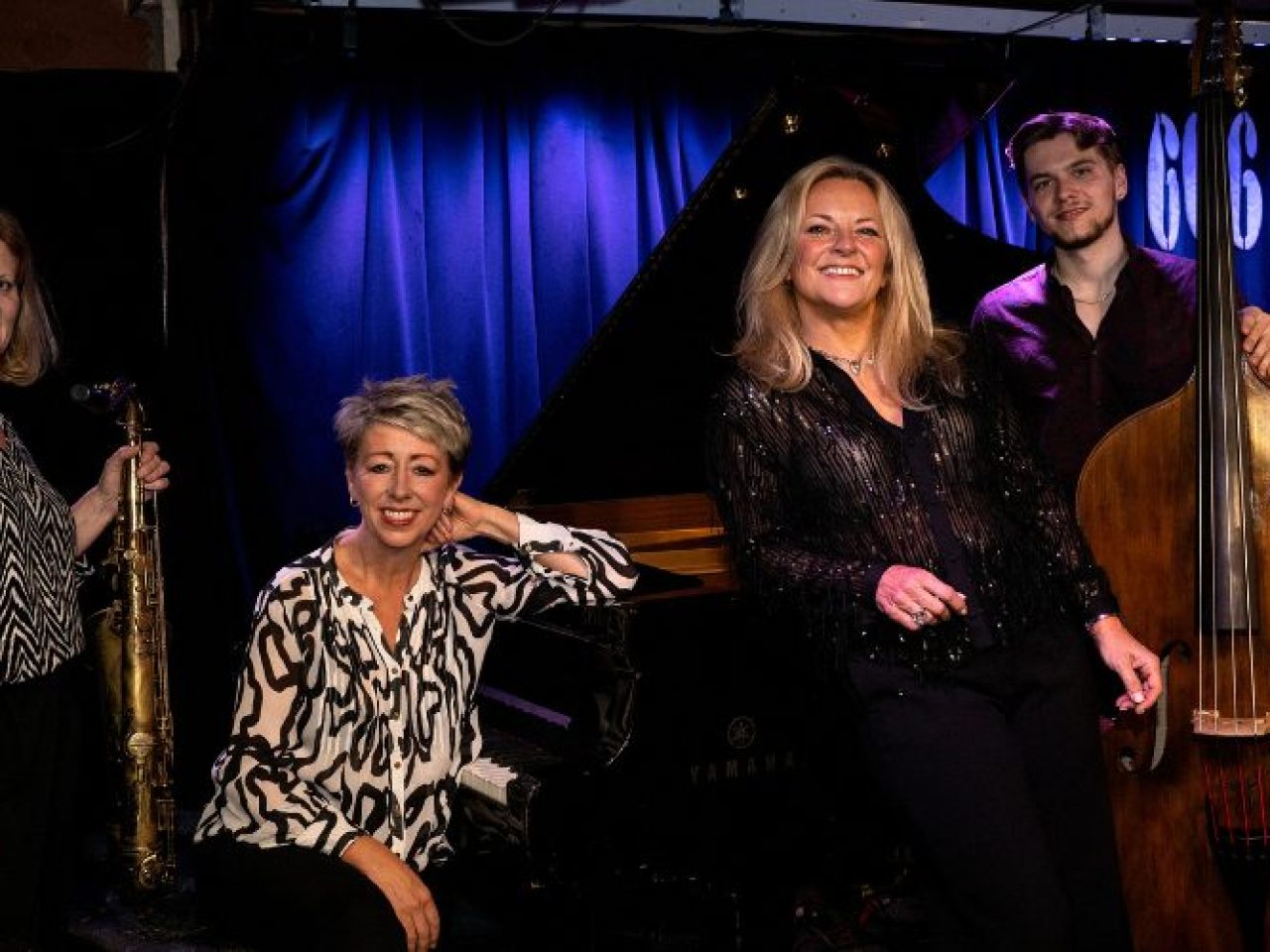
Nikki Iles (second left) and Claire Martin (second right)
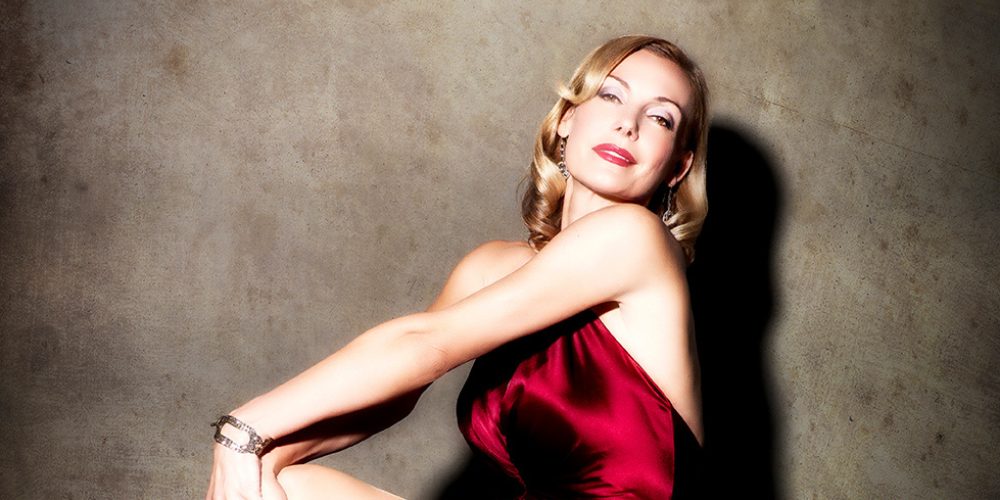
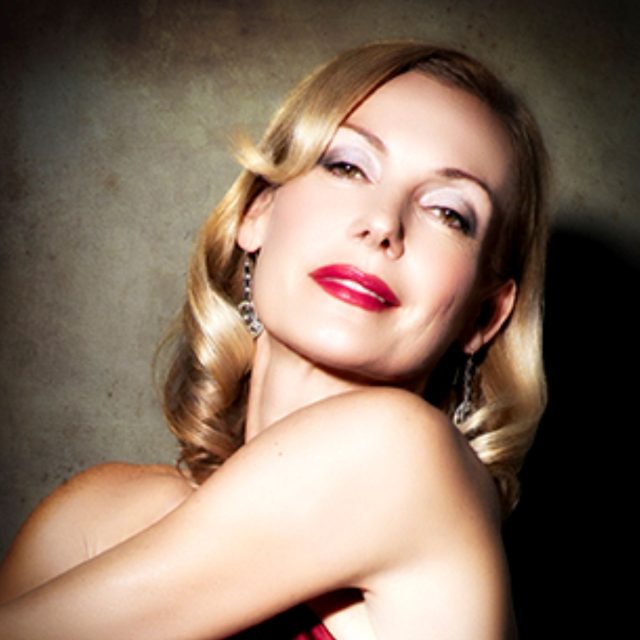
Ute Lemper: Rendezvous with Marlene Dietrich, Sun 8 March 7.30pm
Leading cabaret star, Ute Lemper, tells the life of a Hollywood icon through story and song in this glamorous stage show
Q1.In what ways does the life of Marlene Dietrich inspire women today? What can we learn from it?
Marlene was a woman of the future. She was an exception in her time, a free spirit, naturally emancipated, educated, in charge of her life. She had always levelled with the men, and never accepted any submission. She was way ahead of her time, no doubt about that. She said, that she thought like a boss and acted like a lady. She was also bi sexual and a free spirit, in her marriage extremely polygamous .. she just was a woman of the future. She stated: if I find someone attractive I want to love that person, no matter if it’s a man or a woman. She was most progressive in her way of life and her conception of gender and convention. She is even a woman of the future nowadays. She was also very brave fighting as a German expatriate against Nazi Germany as an American Soldier.
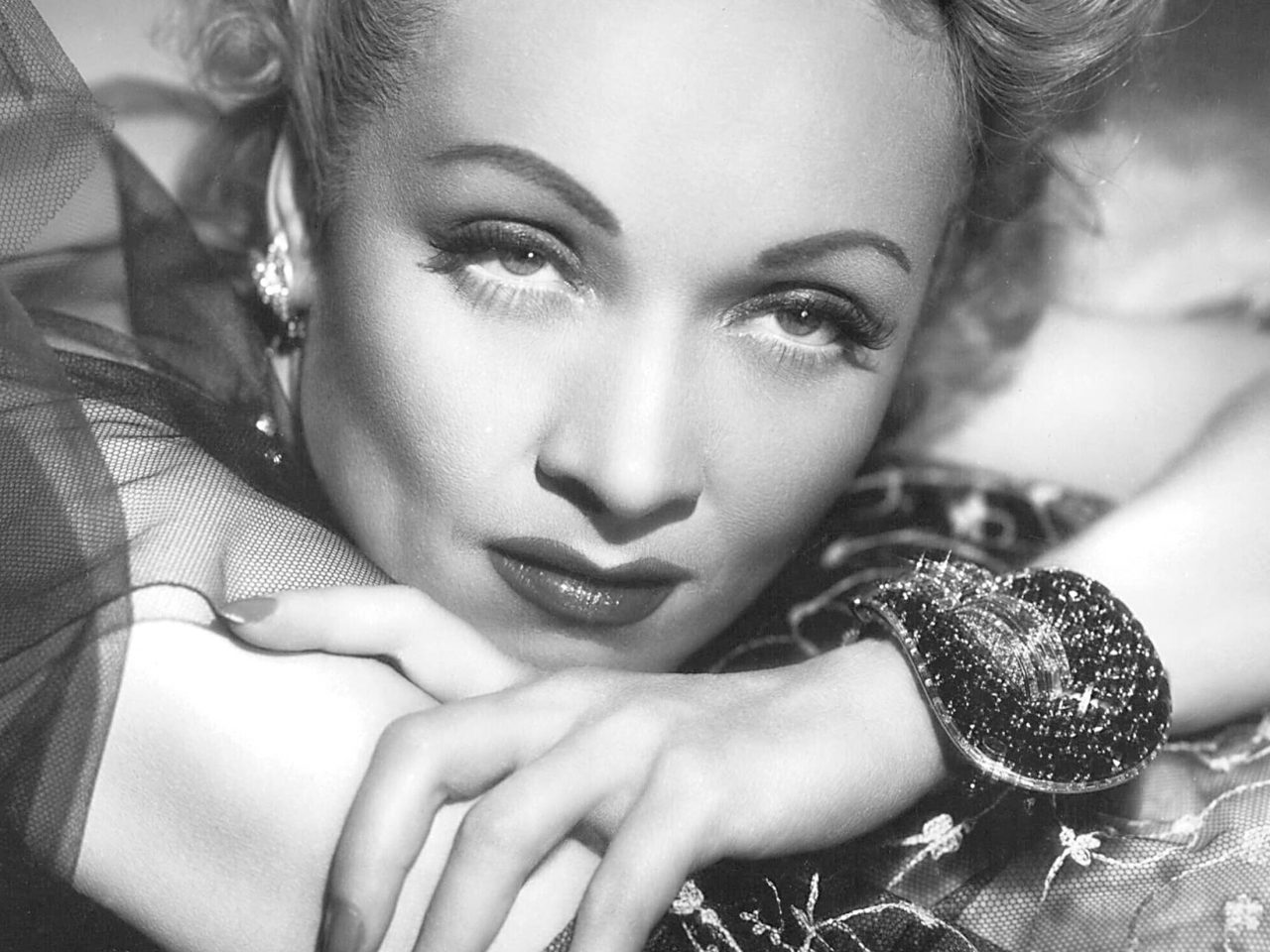
Marlene Dietrich
Q2. Looking back across your international career, how has the experience of being a woman in the performing arts evolved — and what still needs to change?
If I look back to the 70s and 80s, long before the “me too” movement, we women still endured the male dominance and a certain bullying and machoism in every part of life, not just in the entertainment business but also in the regular every day perception of role-play. It took decades for the women to stand up, stop and accuse the game of submission and the male dominance and exploitation.
Men still have a hard time to fully respect and value the female intelligence and strength of character, because they are still used to having the last word and rapped up in the concept of being dominant.
Q3. If you were talking to a young woman today, what advice would you give her, based on your experience?
I always would encourage to speak up, speak out and not ever play in to the sexist role play. You do not need to dress up sexy or seductive or talk cutesy to any man to get his attention. You do not need to feed the predator his lunch and stimulate his male ego. In a smart way speak with a clear voice of self respect, speak your mind and lead the way. No need ever to be suggestive or vulgar, wobble in high heels, put on false lashes and big make up, or let your physical goods hang out to seduce a male. Dignity is our strength and we do not play desperate games to please the male idiot or bully. At work, stand strong and clear.. only the one who appreciates your integrity will be worth it.
Book Ute Lemper: Rendezvous with Marlene Dietrich, Sun 8 March, 7.30pm here
Ute Lemper